


-

Add: HeBei ShengShi HongBang Cellulose Technology CO.,LTD.
-

Email
13180486930@163.com -

CONTACT US
+86 13180486930
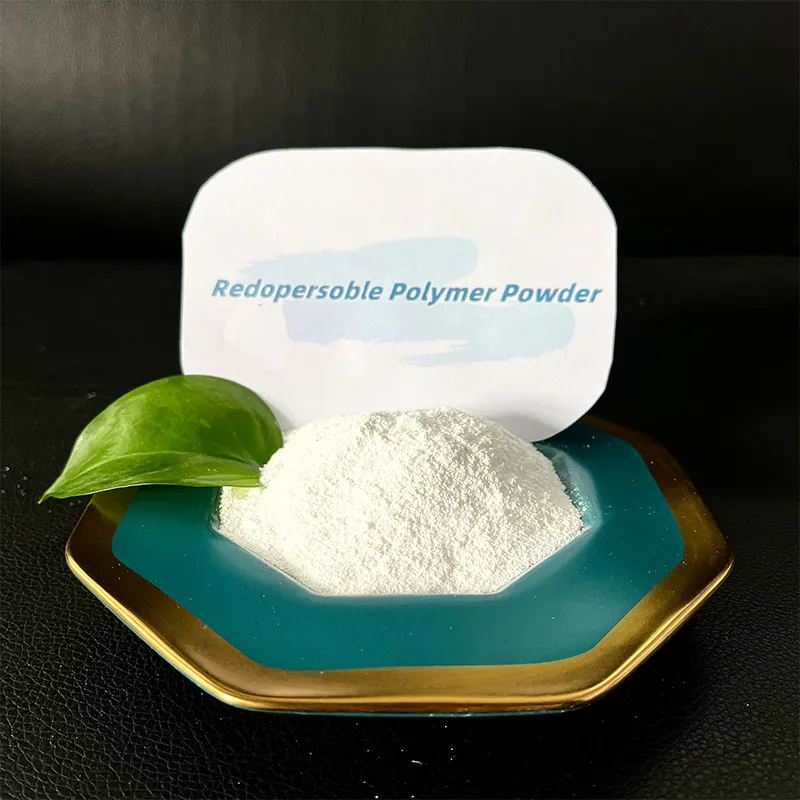
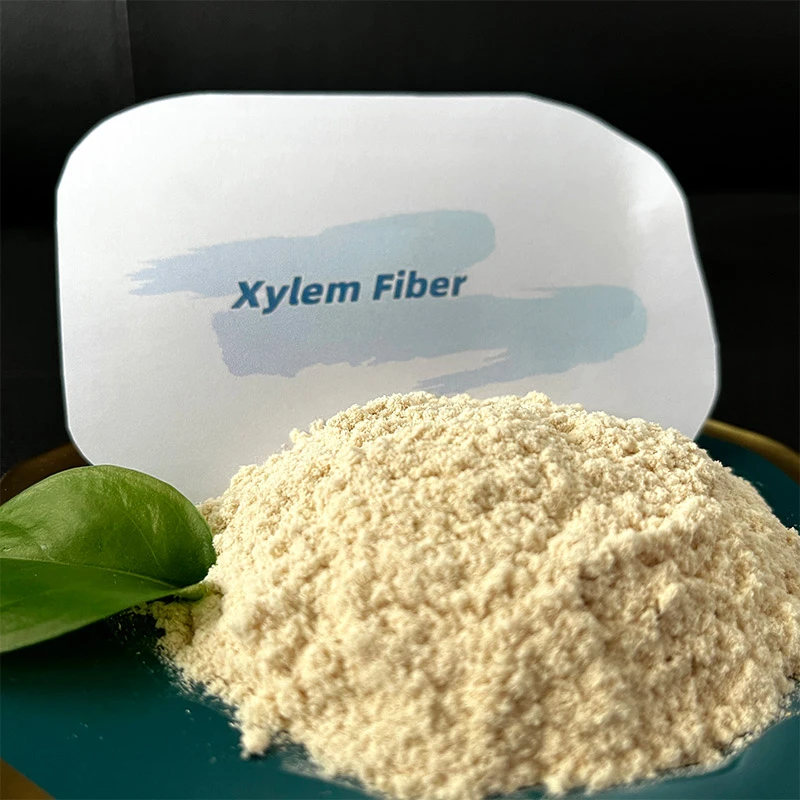
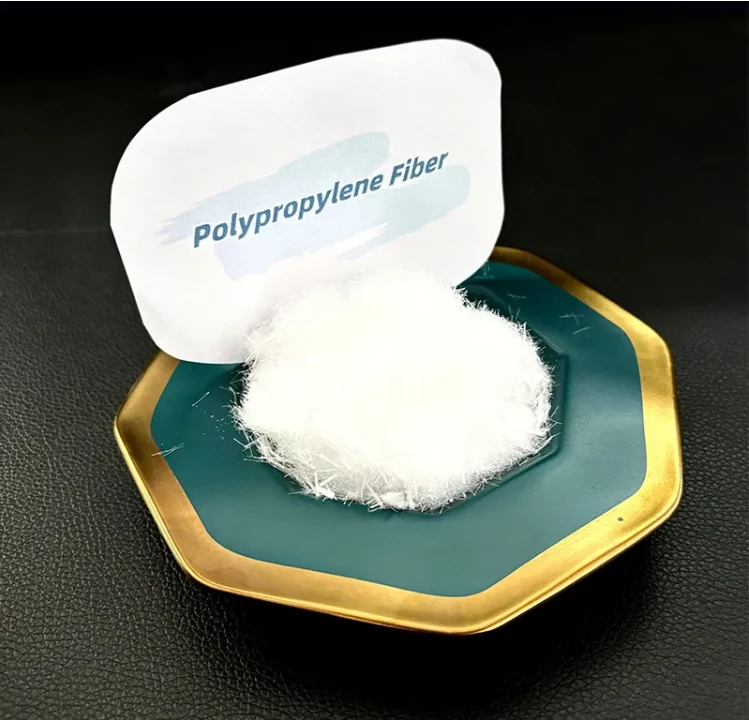



In the world of modern construction, synthetic fibers have revolutionized the way materials are used, enhancing the strength, flexibility, and durability of various building components. The different types of synthetic fibers available today are engineered for specific uses, making them indispensable in many construction projects. These fibers are often used to reinforce concrete, improve the resilience of building structures, and provide additional benefits like increased fire resistance and weather protection. From polypropylene fibers to long glass fibers , synthetic fibers offer a range of options tailored to different needs. Whether it’s increasing the strength of cement or providing insulation properties, the different types of synthetic fibers ensure that construction projects meet high standards of quality and longevity. In addition to their superior performance, synthetic fibers are often more cost-effective and readily available than traditional materials. This makes them a preferred choice for construction companies aiming to reduce costs while maintaining high-quality results. Furthermore, the environmental impact of synthetic fibers is increasingly being addressed with sustainable production methods, making them a more eco-friendly option for the construction industry. Long Glass Fiber Polypropylene: A Key Ingredient for Stronger Materials One of the standout synthetic fibers in the construction industry is long glass fiber polypropylene . This innovative fiber combines the strength of glass with the lightweight, corrosion-resistant properties of polypropylene. As a result, long glass fiber polypropylene is often used to reinforce concrete and other building materials, providing a significant boost in durability and performance. The inclusion of long glass fiber polypropylene in construction materials helps reduce cracking and improve the structural integrity of buildings and roads. The long fibers create a matrix that distributes stresses evenly across the material, preventing localized damage. This fiber is particularly useful in high-strength concrete applications where additional reinforcement is needed. Moreover, long glass fiber polypropylene is highly resistant to environmental factors like moisture, UV radiation, and temperature changes, making it ideal for both indoor and outdoor construction projects. It is commonly used in applications like paving, drainage systems, and even in the production of prefabricated building components. Its versatility and effectiveness in improving the lifespan and reliability of building materials make it a go-to solution for modern construction needs. Fibre Natural and Synthetic: A Comparison of Strength and Sustainability When choosing materials for construction, understanding the difference between fibre natural and synthetic options is crucial. While natural fibers such as jute, hemp, and cotton have been traditionally used in construction, synthetic fibers like polypropylene, polyester, and nylon have emerged as more durable and cost-effective alternatives. Fibre natural and synthetic materials each have their own advantages, making them suitable for different types of applications. Natural fibers are renewable, biodegradable, and often produced using more sustainable methods, making them a more eco-friendly option. However, they may not offer the same level of strength or resistance to environmental factors as synthetic fibers. On the other hand, synthetic fibers are engineered for durability, offering superior resistance to moisture, heat, and wear. They are often used to enhance the properties of natural materials, making them more suitable for demanding construction environments. For example, natural fibers like hemp may be used in insulation or as a reinforcement material in low-stress applications, while synthetic fibers like polypropylene or polyester are used for high-strength reinforcement in concrete, roofing, and other critical structures. By combining the best of both fibre natural and synthetic materials, construction companies can achieve optimal performance and sustainability. Non-Woven Polypropylene Fiber: A Revolutionary Material in Construction Non woven polypropylene fiber is another essential material that is increasingly being used in the construction industry. Unlike traditional woven fabrics, non woven polypropylene fiber is made from a process that bonds fibers together without weaving or knitting, resulting in a highly versatile material with excellent durability and moisture resistance. This fiber is widely used in applications like drainage systems, geotextiles, and road construction. Non woven polypropylene fiber provides a lightweight yet strong solution for reinforcing construction materials. It is often used in soil stabilization, as it helps prevent erosion and improves the strength of the ground underneath roads, bridges, and buildings. The material's ability to resist moisture also makes it ideal for protecting against corrosion and extending the lifespan of infrastructure. Additionally, non woven polypropylene fiber is environmentally friendly, as it is made from recyclable polypropylene, a material that can be repurposed for various other uses. Its cost-effectiveness, combined with its high-performance qualities, makes it a popular choice for contractors seeking durable and sustainable solutions for their construction projects. S ynthetic F ibers FAQs What are the different types of synthetic fibers used in construction? Synthetic fibers used in construction include polypropylene, polyester, nylon, and glass fibers. Each type is engineered for specific applications, such as reinforcing concrete, improving durability, and providing insulation. What is long glass fiber polypropylene, and why is it important in construction? Long glass fiber polypropylene is a fiber that combines the strength of glass with the lightweight, corrosion-resistant properties of polypropylene. It is essential in construction for reinforcing concrete, improving structural integrity, and preventing cracking. What are the benefits of using natural fibers in construction? Natural fibers , like hemp or jute, offer benefits such as renewability, biodegradability, and sustainability. They are commonly used for insulation and low-stress reinforcement, but may not be as durable or resistant to environmental factors as synthetic fibers. How does non-woven polypropylene fiber differ from woven fabrics? Unlike woven fabrics, non-woven polypropylene fiber is made through a bonding process that does not involve weaving or knitting. This results in a highly durable and moisture-resistant material, commonly used in geotextiles, drainage systems, and soil stabilization. Are synthetic fibers environmentally friendly? While synthetic fibers are often made from petroleum-based products, many are now produced using more sustainable methods. Additionally, materials like non woven polypropylene fiber are recyclable, making them a more environmentally friendly choice in construction. As construction needs evolve, synthetic fibers like long glass fiber polypropylene and non woven polypropylene fiber continue to play a crucial role in enhancing the strength, durability, and sustainability of building materials. If you're in the construction business, investing in these cutting-edge fibers will improve the performance of your projects and contribute to more eco-friendly practices. Visit our website today to explore our wide range of high-quality synthetic fibers and learn how they can transform your construction projects!
- 40000tons

Production
- 20+years

Experience
- 5000+㎡

Acreage

-
Understanding Hydroxy Methyl Cellulose Expert Insights into a Versatile Product Hydroxy methyl cellulose (HMC), a remarkable compound with multifaceted applications, remains pivotal across various industries. Its versatility is underpinned by its unique chemical properties and adaptability, which ensure it remains a staple in fields ranging from construction to pharmaceuticals. At the core of HMC's utility is its water-solubility and ability to form films, making it invaluable in industries requiring binding agents, emulsifiers, or thickening agents. Upon dissolution in cold water, HMC exhibits high viscosity, a trait particularly prized in the construction industry. Here, it acts as a phenomenal binder and stabilizer in cement, mortar, and plaster. Its inclusion not only enhances workability but also improves the product's longevity by increasing water retention. This reduction in evaporation allows for a slower, more uniform curing process in concrete, ultimately leading to stronger structures that can withstand environmental extremes. Pharmaceutical and medical sectors leverage hydroxy methyl cellulose's inert nature, using it as a drug delivery agent. Its film-forming properties facilitate the creation of controlled-release medication coatings, which ensure consistent dosage and enhance bioavailability. The compound's non-toxic characteristic further positions it as an ideal candidate for ophthalmic preparations. It serves as an active ingredient in artificial tear solutions, delivering comfort to dry eyes by mimicking the eye's natural mucous. In the realm of food and personal care products, HMC’s expertise resonates in its role as a thickener and stabilizer. The compound is frequently utilized in sauces, dressings, and bakery products, where it ensures an even texture and consistency. A testament to its safety and reliability, HMC conforms to food-grade standards and regulations worldwide, assuring consumers of its trusted quality. hydroxy methyl cellulose Moreover, HMC excels in personal care formulations, ranging from shampoos to lotions. Its moisturizing properties are harnessed in cosmetic products, where it maintains product stability and extends shelf life by preventing the separation of ingredients. Experts often highlight its non-irritating nature, making it suitable for sensitive skin and enhancing its appeal in hypoallergenic product lines. The paper industry benefits from HMC’s binding properties as well . It improves the bond between fibers, resulting in better quality paper with increased tensile strength. The addition of HMC also enhances the printing quality by providing a smoother surface finish, significantly contributing to the final product’s aesthetic appeal. When discussing authority, it's essential to reference regulatory bodies that recognize and approve HMC for various applications. From the FDA's endorsement for ophthalmic and pharmaceutical uses to its GRAS (Generally Recognized as Safe) status in food applications, HMC’s credibility is thoroughly established. Trustworthiness in hydroxy methyl cellulose stems from decades of rigorous scientific research and countless successful implementations across multiple markets. Consumers and manufacturers alike continue to rely on its proven performance, consistently delivering results that meet and exceed expectations. In summary, hydroxy methyl cellulose's extensive use is a testament to its exceptional chemical properties and versatility, serving both industrial and consumer needs with unparalleled effectiveness. As innovation continues to propel industries forward, HMC’s application range is likely to expand, offering novel solutions to conventional challenges, underlining its stature as an indispensable material in the modern age. The fusion of experience, expertise, authority, and trust in this compound not only underscores its historical significance but also its promising future across the global market.
-
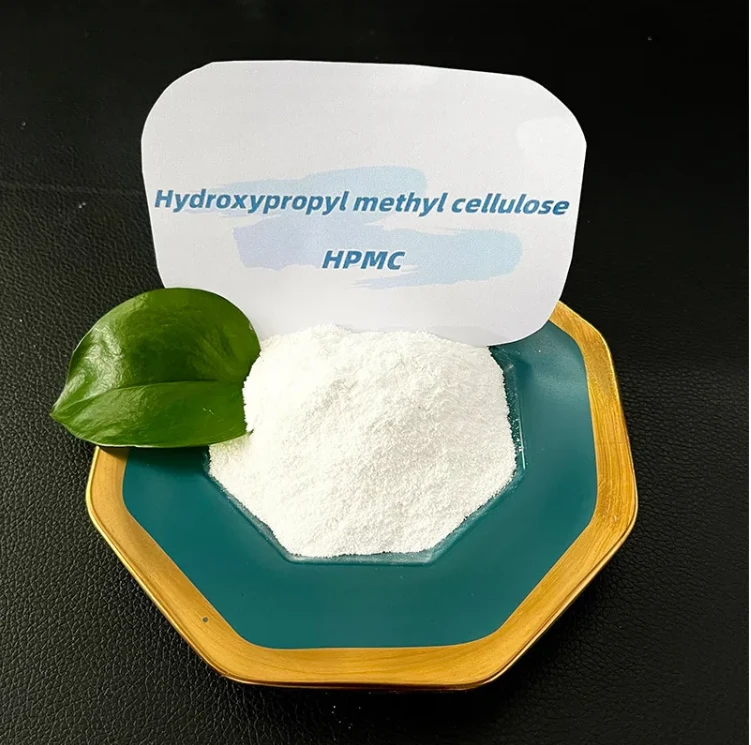
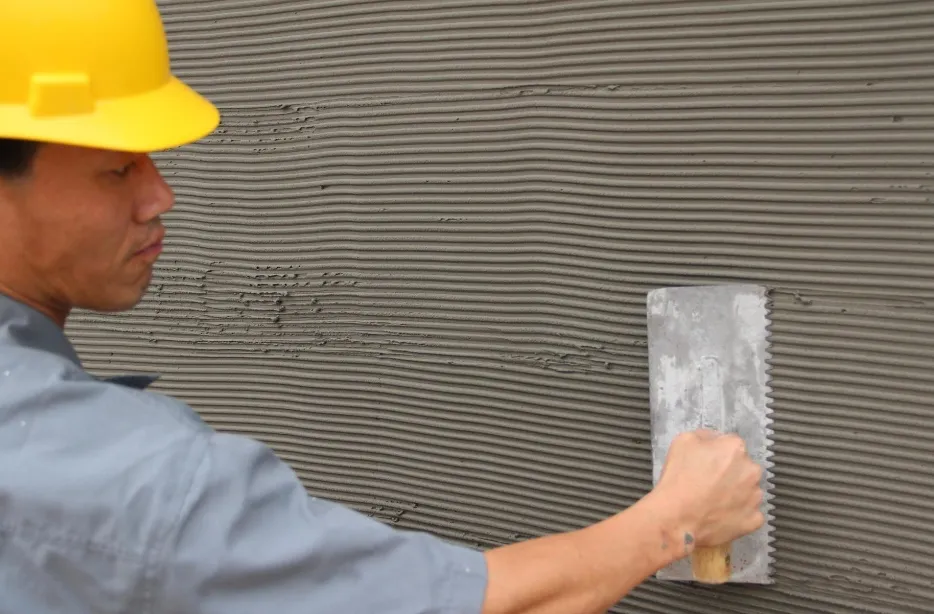
Hydroxypropyl methylcellulose (HPMC) is a versatile cellulose ether that has gained significant traction in various industries, particularly in construction. Its unique properties make it an essential additive in construction materials, enhancing performance and improving the overall quality of building products. This article explores the applications of HPMC in construction, highlighting its benefits and contributions to the industry. What is Hydroxypropyl Methylcellulose? HPMC is a non-ionic, water-soluble polymer derived from cellulose, a natural polymer found in plant cell walls. It is produced through the chemical modification of cellulose, resulting in a compound that exhibits excellent thickening, binding, and film-forming properties. HPMC is available in various grades, each tailored for specific applications, making it a highly adaptable material in construction. Applications of HPMC in Construction Cement-Based Products : One of the primary applications of HPMC in construction is in cement-based products such as mortars, plasters, and tile adhesives. HPMC acts as a thickening agent, improving the workability and consistency of these materials. It enhances the adhesion properties, allowing for better bonding between surfaces, which is crucial for the durability of structures. Water Retention : HPMC is known for its excellent water retention capabilities. In construction, this property is vital for preventing the premature drying of cementitious materials. By retaining moisture, HPMC ensures that the hydration process of cement continues effectively, leading to stronger and more durable concrete. This is particularly important in hot and dry climates where evaporation can compromise the integrity of the mix. Improved Open Time : The open time of a material refers to the period during which it remains workable after application. HPMC extends the open time of mortars and adhesives, allowing construction workers to adjust and reposition tiles or other materials without the risk of the adhesive setting too quickly. This flexibility is essential for achieving precise alignments and finishes in construction projects. Enhanced Flexibility and Strength : The incorporation of HPMC into construction materials can significantly enhance their flexibility and tensile strength. This is particularly beneficial in applications where materials are subjected to stress and movement, such as in flooring systems and wall panels. The improved flexibility helps to reduce the risk of cracking and other forms of damage, contributing to the longevity of the structure. Eco-Friendly Solutions : As the construction industry increasingly shifts towards sustainable practices, HPMC offers an eco-friendly alternative to traditional additives. Being derived from natural cellulose, HPMC is biodegradable and non-toxic, making it a safer choice for both workers and the environment. Its use in construction aligns with the growing demand for green building materials. Compatibility with Other Additives : HPMC is compatible with a wide range of other additives used in construction, such as polymers, pigments, and other cellulose derivatives. This compatibility allows for the formulation of customized products that meet specific performance requirements, making HPMC a valuable component in the development of innovative construction materials. The application of hydroxypropyl methylcellulose in construction is a testament to its versatility and effectiveness as an additive. From improving workability and water retention to enhancing flexibility and strength, HPMC plays a crucial role in the performance of various construction materials. As the industry continues to evolve, the demand for high-quality, sustainable building products will likely drive further innovations in the use of HPMC, solidifying its position as a key ingredient in modern construction practices.
advantages
-

200000 Viscosities
Excellent product
We can produce pure products up to 200,000 viscosities
-

40000 tons
High yield
We don’t stop production all year round, and the annual output can reach 40,000 tons
-

24 hours
Quality service
We provide 24-hours online reception service, welcome to consult at any time
———— Inquiry Form
Schedule A services


-
 cellulose_is_wood
Oct . 25, 2025
Exploring the HPMC Chemical Structure A Scientific Perspective The chemical structure of Hydroxyprop -
 hpmc_juice_bar
Oct . 25, 2025
Retaining optimal eye health in today’s digitally-driven world poses a significant challenge, with i -
 gentamicin_with_hpmc_eye_or_ear_drops
Oct . 25, 2025
Methyl hydroxyethyl cellulose (MHEC) is a versatile polymer that is widely used across various indus


